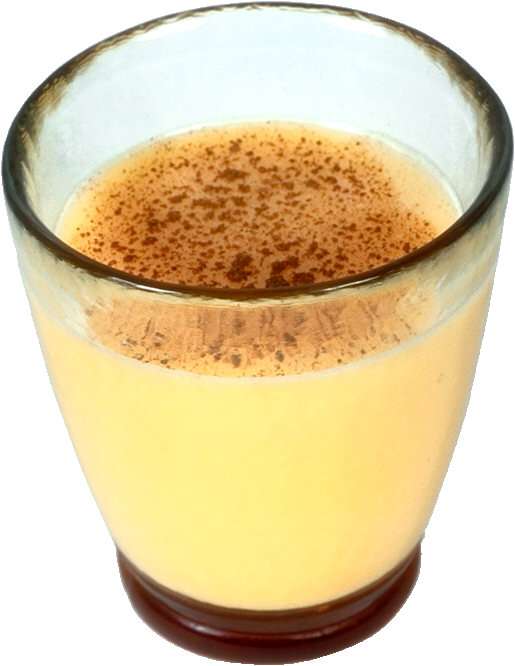
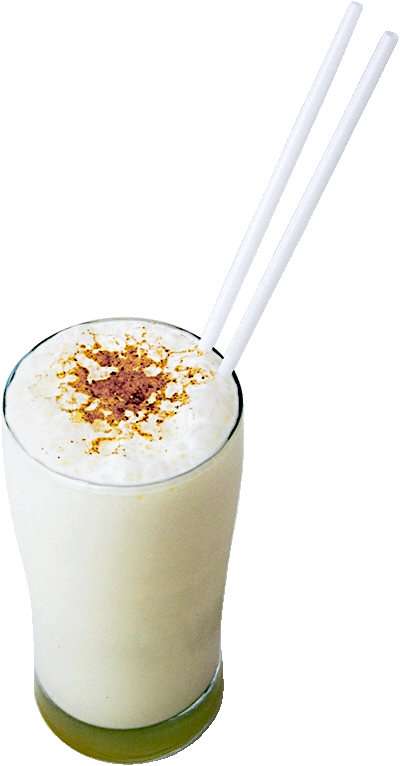
Eggnog is typically served as a Christmas drink or during New Year's Eve in the United States, Canada and Luxembourg. American Thanksgiving (late November) falls at the beginning of the season in which eggnog is typically consumed, but the product begins appearing in stores around Halloween and can be found in a small handful of stores year-round. Historically it has been a winter beverage not specifically associated with any holiday.
What is Eggnog?
"Eggnog is a sweetened dairy-based beverage made with milk, cream, sugar, beaten eggs (which gives it a frothy texture), and flavoured with ground cinnamon and nutmeg; alcoholic versions also exist with the addition of various liquors, such as brandy, rum, whiskey and/or advocaat."
---------------------------------------------------------------------------
There are many basic recipes for Eggnog.
Here is one example:
Ingredients
• 6 eggs
• 240ml (1 cup + 1 tablespoon) sugar
• 2ml (½ teaspoon) vanilla extract
• 1ml ground (¼ teaspoon) nutmeg
• 180ml (¾ cup) brandy
• 80ml (⅓ cup) dark rum
• 480ml (2 cups) cups whipping cream
• 480ml (2 cups) milk
All liquids should be very cold. Refrigerate in advance.
Procedure
1. Beat the eggs for 2 or 3 minutes with an electric mixer at medium speed until very frothy.
2. Gradually beat in the sugar, vanilla and nutmeg.
3. Turn the mixer off and stir in the cold brandy, rum, whipping cream and milk.
4. Chill.
5. To serve, sprinkle individual servings with more nutmeg.
Makes about 2-1/2 quarts.
---------------------------------------------------------------------------------------------------------------------------
Ingredients
"Modern eggnog typically consists of milk, sugar, nutmeg, and eggs. Frequently cream is substituted for some portion of the milk to make a much richer drink. In some eggnogs you can find gelatin. Toppings may include vanilla ice cream , meringue, or whipped cream."
"Eggnog can be produced from homemade recipes, however ready-made eggnog containing alcohol and "just-add-alcohol" versions are available for purchase. Whiskey, rum, brandy, or cognac are often added. Since the 1960s, eggnog has often been served cold and without alcohol, both of which are significant departures from its historical origins. Lowfat eggnog is commercially available or it may be prepared in the home using skimmed or lowfat milk. In North America, a few soymilk manufacturers, including the widely available brand Silk, offer seasonally-available, soy-based alternatives for vegans and those with dairy or milk allergies. Eggnog may be added as a flavouring to food or drinks such as coffee and tea. Eggnog-flavoured ice cream, for example, is a seasonal product in the US."
____________________________________________________________________________
Notes, tips, and variations
Separate egg yolks from egg whites.
1. Beat egg yolks first, allowing them to lighten in color.
2. Gradually beat in 1 cup sugar, vanilla and nutmeg (per step 2 of main recipe above).
3. Turn the mixer off and add liquids (per step 3 of main recipe above).
4. Beat egg whites separately, adding 1 T sugar when peaks form. Continue beating until peaks stiffen.
5. Whisk egg whites into the main mixture.
6. Chill and serve (per steps 4 and 5 of main recipe above).
Cooked Eggnog:
1. Heat milk/cream to scalding temp.
2. Temper beaten/sweetened egg yolks with milk, before mixing the two.
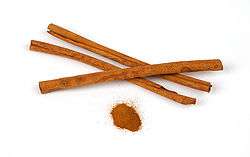
"It is principally employed in cookery as a condiment and flavoring material. It is used
in the preparation of chocolate, especially in Mexico, which is the main importer of true
cinnamon. It is also used in the preparation of some kinds of desserts, such as apple pie,
donuts and cinnamon buns as well as spicy candies, tea, hot cocoa, and liqueurs. True cinnamon, rather than cassia, is more suitable for use in sweet dishes."