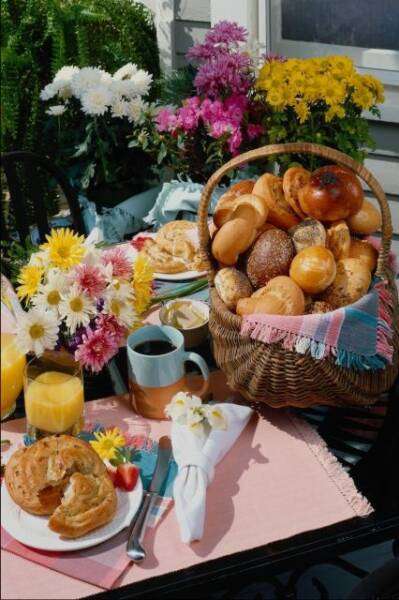
What is a brunch? Brunch or bruncheon is a combination of breakfast and lunch. The term is a portmanteau of breakfast and lunch(eon). Brunch is often served after a morning event or prior to an afternoon one, such as a wedding or sporting event. A common misconception is that after midday, the meal is a luncheon. This however is not true so long as a breakfast has not been eaten. While common in the United States, according to Punch magazine, the term was introduced in Britain around 1896 by Hunter's Weekly, then becoming student slang. Other sources claim that the term was invented by New York Morning Sun reporter Frank Ward O'Malley based on the typical mid-day eating habits of a newspaper reporter.
Some colleges and hostels serve brunch, especially on Sundays and holidays.
Such brunches are often serve-yourself buffets, but menu-ordered meals may be available instead of, or with, the buffet. The meal usually involves standard breakfast foods such as eggs, sausages, bacon, ham, fruits, pastries, pancakes, and the like. However, it can include almost any other type of food served throughout the day. Buffets may have quiche, large roasts of meat or poultry, cold seafood like shrimp and smoked fish, salads, soups, vegetable dishes, many types of breadstuffs, and desserts of all sorts.
The dim sum brunch is a popular meal in Chinese restaurants worldwide.
It consists of a wide variety of stuffed bao (buns), dumplings, and other savory or sweet food items which have been steamed, deep-fried, or baked. Customers select small portions from passing carts, as the kitchen continuously produces and sends out more freshly-prepared dishes. Dim sum is usually eaten as a mid-morning, midday, or mid-afternoon teatime. (see tea parties)
Special occasions
Brunch meals are prepared by restaurants and hotels for special occasions, such as weddings, Valentine's or Mother’s Day, with recipes available or meals offered.
French language
The Académie française prefers that French speakers do not incorporate English words like brunch into their language, and suggests using the phrase le grand petit déjeuner, literally "big breakfast," and more literally, word-for-word this means "big little lunch." Despite the wishes of the Académie, the typical French person readily says "brunch." In fact, most French-French dictionaries have an entry for "brunch" but not "grand petit déjeuner," defining brunch as a "late meal taken in the morning, in place of both breakfast and lunch.".
German language
German-speaking countries readily adopt Anglicisms, and "brunch" is no exception, defining it as "a combination of breakfast and lunch." However, the German language has its own word for "brunch": Gabelfrühstück (literally, "fork breakfast"). While German versions of the word might exist, they are not used.
Variations
This meal always falls halfway between breakfast and lunch. Eggs, French toast, pancakes, hash browns, and other standard breakfast foods may be accompanied by coffee, and often by a Mimosa, champagne, Bellini, or a Bloody Mary.
The grease-heavy meal is often used as a hangover remedy for those who stay out late drinking on Friday or Saturday night. Alcohol-fueled nightlife can often push brunch well into the afternoon, after party-goers have slept off the previous night's excesses.
Bagel Brunch: Another variation, originating with New Yorkers, consists of bagels and their traditional accompaniments, including:cream cheeses of various flavors, tomatoes, red onions, butter, capers, and lox. This is often called a "bagel brunch," and has spread throughout the United States.
A newer tradition made popular in trendy areas of many cities across the U.S. are more upscale brunch options. Foods served in this variation often have a regional cuisine influence, such as Italian cuisine or Southern cuisine. The menus also typically have both breakfast- and lunch-related options (such as sandwiches and salads), as well as items that work to fuse both meals, including classics such as a Monte Cristo sandwich, and newer ideas such as "breakfast pizzas" (basically, a baked omelette with tomatoes, cheese, and pizza meats, cooked on top of a pizza crust). These meals are usually ordered menu-style (though some places have a buffet of salad and/or breakfast pasteries), and pricing is often Prix Fixe (usually costing between $10 and $20).
_______________________________________________________________________
Research also: