People in many cultures celebrate this anniversary.
Wikipedia encyclopedia tells us "In some languages, the word for birthday literally translates as "anniversary". Birthdays are traditionally marked by celebrations including a birthday party or, in some particular cases, a rite of transition."
........................................................................................................................................................................
Birthday Origin
"It is thought the large-scale celebration of birthdays in Europe began with the non-Christian cult of Mithras, which originated in Persia, and was spread by soldiers throughout the Roman Empire." "Such celebrations were uncommon previously so practices from other contexts such as the Saturnalia were adapted for birthdays."
"Because many Roman soldiers took to Mithraism, it was distributed widely and its influence was spread throughout the empire until it was supplanted by Christianity."
........................................................................................................................................................................
Birthday Traditions
"In addition to parties, it is common for people to receive gifts on their birthdays." "There are also traditions of surprise parties. "However, sometimes it is expected of the person celebrating their birthday to treat their party guests instead; this varies depending on the local culture and may involve party gifts or other gestures."
"In most English-speaking countries it is traditional to sing the song Happy Birthday to You to the honored person celebrating a birthday. The Happy Birthday song has been rumored to be the most frequently sung melody in the world." "Similar songs exist in other languages such as "Zhu ni sheng ri kuai le" in Mandarin Chinese, "Lang zal hij/zij leven" in Dutch, "Õnne soovime Sul" in Estonian, "Zum Geburtstag Viel Glück" in German, "Nα ζήσεις και χρόνια πολλά " in Greek, "Que los cumplas feliz" or "Feliz cumpleaños a tí" in Spanish, "Parabéns a você" in Portuguese, "Maligayang Bati" in Filipino, "Sto lat" in Polish, "Lá Bhreithe Shona Duit" in Irish, "Ja ma du leva" or "Med en enkel tulipan" in Swedish, "Joyeux Anniversaire" or "Bonne Fête" in French, "Tanti Auguri a te" in Italian and "Iyi ki dogdun, Mutlu Yillar Sana" in Turkish." "This song is a common greeting used on birthdays, along with greeting cards and verbal greetings with messages such as "I wish you a happy Birthday" or "Happy Birthday." "In Denmark, aside from cards and songs, the Danish flag is often raised and used as decorations at birthday parties. In Belgium, birthdays are celebrated in festivals over the course of several months." wikipedia the free encyclopedia / documentation_license
........................................................................................................................................................................
In some historically Roman Catholic and Eastern Orthodox countries such as Italy, Spain, France, parts of Germany, Poland, Russia, Romania, Bulgaria, Serbia, Slovakia, Czech Republic, Hungary, Greece, Lithuania, Latvia, and throughout Latin America, it is common to have a 'name day'/'Saint's day'. It is celebrated in much the same way as a birthday, but it is held on the official day of a saint with the same Christian name as the birthday person; the difference being that one may look up a person's name day in a calendar, or easily remember common name days (for example, John or Mary); however in pious traditions, the two were often made to concur by giving a newborn the name of a saint celebrated on its birthday, or possibly the name of a feast, for example, Noel or Pascal (French for Christmas and "of Easter"); as another example, Togliatti got Palmiro as his first name because he was born on Palm Sunday.
.........................................................................................................................................................................
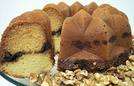
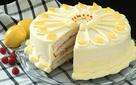
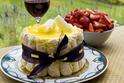
History of the Birthday Cake?
July 25th is the Birthday of the Birthday Cake (In 55 B.C., the Greeks were the first to put candles on a cake celebrating someone's birthday.)
Others contend that the Birthday Cake tradition was started in Germany in the Middle Ages where a
sweetened bread dough was made in the shape of the baby Jesus in ...... read article by Linda Stradley at
.........................................................................................................................................................................
Why is Birthday Cake Round?
"In earlier times, Birthday cakes were mostly round in
shape." "Scholars associate religious beliefs and
technical compulsions for the same." "Greeks offered
round shape cake to the Goddess of Moon - Artemis
as it signified moon." "They even placed candles on
the cake to make the cake glow like the moon..... read
the rest of "History of the Birthday Cake" at tokenz.com
.........................................................................................................................................................................
Traditions from around the world
"Birthday celebrations are an ancient European
tradition which evolved as attempts to fend off the evil
spirits which people believed were attracted to a
person celebrating their birthday...... read this and
.........................................................................................................................................................................
What goes up but never comes down?
Your Birthday!
.........................................................................................................................................................................
Teach a lesson about "History of Birthday Celebrations." Learn how
.........................................................................................................................................................................
Did you know that the "Happy Birthday to you" song is a universal song?
The melody and lyrics were written by two sisters named Mildred and Patty Hill.
Read the article by Espie Estrella, at about.com
................................................................................................................................................................................................