- - - - - - - - - - - - - - - - - - - - - - - - - - - - - - - - - - - - - - - - - - - - - - - - - - - - - - - - - - - - - - - - - - - - - - - - - - - - - - - - - - - - - - - - - - - - - - - - - - - - - - - - - - -
Generally an invitation is made either by phone or by mail.
An invitation by mail will generally have the familiar RSVP with a date. RSVP is an abbreviation for responde s'il vous plait which is French for "please respond". We must be certain to honor that date and give either our regrets or acceptance no later than that date. In fact, it is proper to respond to an RSVP immediately if we know for certain whether we can or cannot attend. We shouldn't wait until the last minute. The host or hostess will need to be sure to prepare for the number of guests who will be attending.
When the date of the occasion arrives, it is not polite to come too early as the host/hostess will most likely be preparing and will not be ready to entertain us. Instead, we should arrive on time or within the first fifteen minutes of the time stated in the invitation.
We will not want to arrive empty handed, either. When invited to someone's home, be sure to arrive with a small gift or something which can be shared with the other guests. A nice gift to bring could be a bottle of wine or, perhaps, a box of fine chocolates for the lady of the home. If we are going to dinner at a good friend's home, we may choose to bring a dessert or side dish. Either way, it need not be anything large or ostentatious. It merely is a show of gratitude and appreciation to our host or hostess for the work and preparation of the evening.
As the evening draws to a close, our hosts will most certainly be tired. Rather than being the last person to leave and possibly keeping the hosts up late, take note of their demeanor. If they appear tired or show signs of looking at the clock, take that as a hint and begin to say your goodbyes. Our hosts will greatly appreciate our not keeping them up all hours of the night. As much as they may enjoy our company- which is why they invited us in the first place- they will enjoy it even more of we leave at an appropriate time. Beside, when one guest gets ready to leave, that will usually start the others to do likewise.
The day after, be sure to either call or write a Thank You note to the hosts to thank them for the lovely time. A great deal of work goes into entertaining people. The preparation starts long before the actual day. Decisions must be made as to the menu, the decor, the drinks and the dessert. A host will usually spend the night before and the entire day of the dinner preparing every aspect of the evening so that their guests feel welcomed and comfortable. Therefore, the part we each play as guests has a great deal to do with the good time had by all. After all, we would hope to expect the same from others when we entertain friends at our home.
Brian C. Haggerty is an author, columnist and public speaker. His book, "Personal & Professional Life Skills for Success", available at Amazon.com is a modern framework which helps people put their best face forward while attaining ultimate self-confidence in any situation. It addresses the 3 key areas in which we are assessed by others: The manner in which we speak, how we dress and how we present ourselves. A recent Harvard, Stanford and Carnegie Institute study found that 85% of our success in life is determined by our people skills; while only 15% is determined by our technical skills. Discover today how to be the best you can be! Carry yourself with confidence! Make the greatest impression you can in your social and business life. Learn more at http://www.BrianHaggertySpeaks.com
- - - - - - - - - - - - - - - - - - - - - - - - - - - - - - - - - - - - - - - - - - - - - - - - - - - - - - - - - - - - - - - - - - - - - - - - - - - - - - - - - - - - - - - - - - - - - - - - - - - - - - - - - -
This article is in honor of....
- National Men Make Dinner Day: Always the 1st Thursday in November. - official website
- - - - - - - - - - - - - - - - - - - - - - - - - - - - - - - - - - - - - - - - - - - - - - - - - - - - - - - - - - - - - - - - - - - - - - - - - - - - - - - - - - - - - - - - - - - - - - - - - - - - - - - - - -
Let's learn:
What is a Dinner Party?
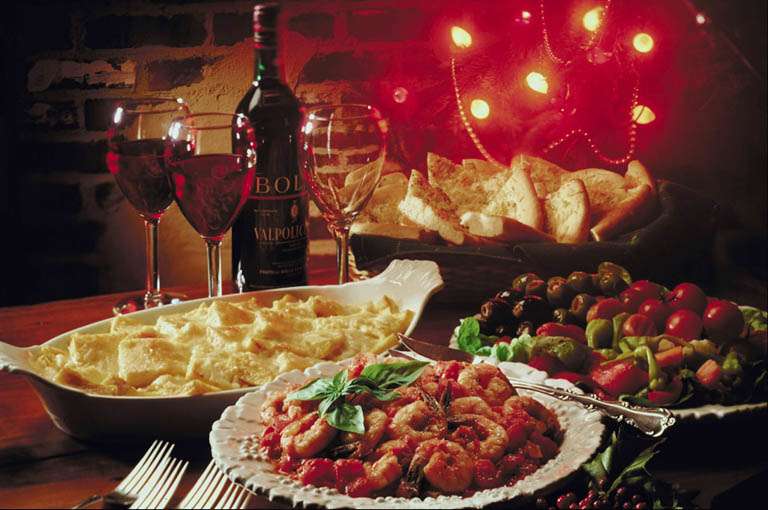
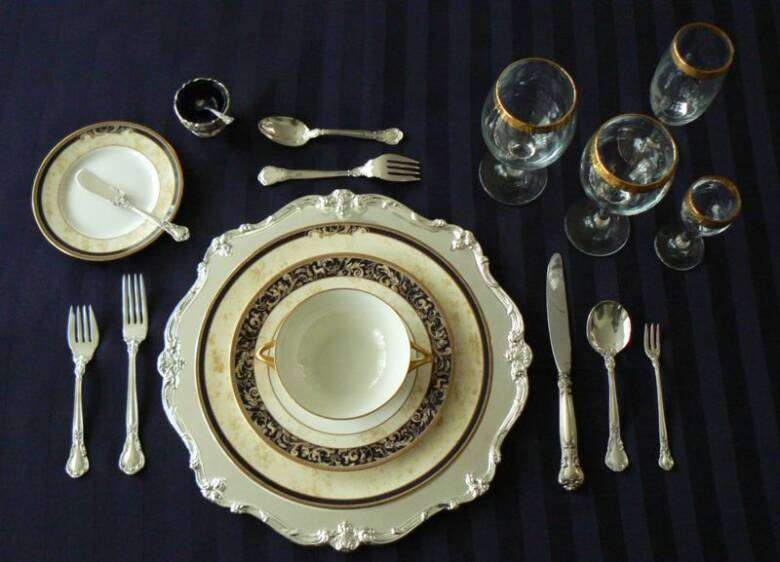
A dinner party is a social gathering at which people eat dinner together, usually in the host’s home. At the most formal dinner parties, the dinner is served on a dining table with place settings. (table settings) Dinner parties are often preceded by a cocktail hour in a living room or bar, where guests drink cocktails while mingling and conversing.
What is Etiquette?
Etiquette ( /ˈɛtɨkɛt/ or /ˈɛtɨkɪt/, French: [e.ti.kɛt]) is a code of behavior that delineates expectations for social behavior according to contemporary conventional norms within a society, social class, or group. The French word étiquette, literally signifying a tag or label first appeared in English around 1750.
Definition of Manners
In sociology, manners are the unenforced standards of conduct which demonstrate that a person is proper, caring, non-grouchy, polite, and refined. They are like laws in that they codify or set a standard for human behavior, but they are unlike laws in that there is no formal system for punishing transgressions, the main informal "punishment" being social disapproval. They are a kind of norm. What is considered "mannerly" is highly susceptible to change with time, geographical location, social stratum, occasion, and other factors. That manners matter is evidenced by the fact that large books have been written on the subject, advice columns frequently deal with questions of mannerly behavior, and that schools have existed for the sole purpose of teaching manners. A lady is a term frequently used for a woman who follows proper manners; the term gentleman is used as a male counterpart; though these terms are also often used for members of a particular social class.
Social Graces:
Social graces are skills used to interact politely in social situations. They include manners, etiquette (the specific accepted rules within a culture for the application of universal manners), deportment and fashion. These skills were once taught to young women at a finishing school or charm school. The focus of social graces has changed over the last century, recently with an emphasis on business etiquette and international protocol.
Table Manners:
Table manners are the rules of etiquette used while eating, which may also include the appropriate use of utensils. Different cultures observe different rules for table manners. Each family or group sets its own standards for how strictly these rules are to be enforced. wikipedia
- - - - - - - - - - - - - - - - - - - - - - - - - - - - - - - - - - - - - - - - - - - - - - - - - - - - - - - - - - - - - - - - - - - - - - - - - - - - - - - - - - - - - - - - - - - - - - - - - - - - - - - - - -
Related Articles:
- - - - - - - - - - - - - - - - - - - - - - - - - - - - - - - - - - - - - - - - - - - - - - - - - - - - - - - - - - - - - - - - - - - - - - - - - - - - - - - - - - - - - - - - - - - - - - - - - - - - - - - - - - -
- - - - - - - - - - - - - - - - - - - - - - - - - - - - - - - - - - - - - - - - - - - - - - - - - - - - - - - - - - - - - - - - - - - - - - - - - - - - - - - - - - - - - - - - - - - - - - - - - - - - - - - - - - -