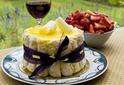
Cake Definitions:
A cake is a form of food that is usually sweet and often baked. Cakes normally combine some kind of wheat product, a sweetening agent (commonly sugar), a binding agent (generally egg, though gluten or starch are often used by vegetarians and vegans), fats (usually butter or margarine, although a fruit puree can be substituted to avoid using fat), a liquid (milk, water or fruit juice), flavours and some form of leavening agent (such as yeast or baking powder).
..............................................................................................................................................................
List of Cake Categories:
- First Cake - originally a small mass of dough baked by turning on a spit; in present usage a dessert made of flour, sugar, eggs, seasonings, usually some leavening and liquid besides the eggs, and shortening......
- Linseed Cake - concentrated feed for livestock, prepared by pressing into cakes linseed from which most of the oil has been removed. The amount of oil remaining in the cake varies; the seed husks may or may not be removed. Linseed cake has a high protein value.
- Pancake - thin, flat cake, made of batter and baked on a griddle or fried in a pan. Pancakes, probably the oldest form of bread, are known in different forms throughout the world. The relative ease of baking on hot stoves or on a griddle has resulted in a variety of pancakes. Old English batter was mixed with... continue (National Pancake Month)
- Yeast cakes are the oldest, and are very similar to yeast breads. Such cakes are often very traditional in form, and include such pastries as babka and stollen.
- Cheesecakes use mostly some form of cheese (often cream cheese, mascarpone, ricotta or the like), and have very little to no flour component (though it sometimes appears in the form of a (often sweetened) crust). Cheesecakes are also very old, with evidence of honey-sweetened cakes dating back to ancient Greece.
- Sponge cakes are thought to be the first of the non-yeast-based cakes and rely primarily on trapped air in a protein matrix (generally of beaten eggs) to provide leavening, sometimes with a bit of baking powder or other chemical leaven added as insurance. Such cakes include the Italian/Jewish pan di Spagna and the French Génoise.
- Butter cakes, including the pound cake (National Poundcake Day) and devil's food cake, rely on the combination of butter, eggs, and sometimes baking powder to provide both lift and a moist texture.
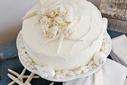
- Ceremonial Cakes: Cake is often the dessert of choice for meals at ceremonial occasions, particularly wedding cakes, anniversary cakes and birthday cakes.
- Traditional Cakes ; Particular types of cake may be associated with particular festivals, such as stollen (at Christmas), babka and simnel cake (at Easter), or mooncake.
- Accompaniment Cakes: Beyond these classifications, cakes can be classified based on their appropriate accompaniment (such as coffee cake) (coffee cake recipes) coffee, contents (e.g. fruitcake or flourless chocolate cake), or occasion (wedding cake, birthday cake, or Passover plava, a type of Jewish sponge cake sometimes made with matzo meal).
- Individual Consumption Cakes: Cakes may be small and intended for individual consumption (for example madeleines and cupcakes). Larger cakes may be made with the intention of being sliced and served as part of a meal or social function. The cutting of a wedding cake constitutes a social ceremony in some cultures. The Ancient Roman marriage ritual of confarreatio originated in the sharing of a cake.
- Particular types of cake: may be associated with particular festivals, such as stollen (at Christmas), babka and simnel cake (at Easter), or mooncake. see types of cake for a list-
- Cake Mixes: Some varieties of cake are widely available in the form of cake mixes, wherein some of the ingredients (usually flour, sugar, flavoring, baking powder, and sometimes some form of fat) are premixed, and the cook needs add only a few extra ingredients, usually eggs, water, and sometimes vegetable oil or butter. Such mixes are available under a number of brand names, including Betty Crocker, Duncan Hines, and Pillsbury; while the diversity of represented styles is limited, cake mixes do provide an easy and readily available homemade option for cooks who are not accomplished bakers.
..............................................................................................................................................................
Beyond these classifications, cakes can be classified based on their appropriate accompaniment (such as coffee cake) and contents (e.g. fruitcake or flourless chocolate cake).
Some varieties of cake are widely available in the form of cake mixes, wherein some of the ingredients (usually flour, sugar, flavoring, baking powder, and sometimes some form of fat) are premixed, and the cook needs add only a few extra ingredients, usually eggs, water, and sometimes vegetable oil or butter. While the diversity of represented styles is limited, cake mixes do provide an easy and readily available homemade option for cooks who are not accomplished bakers.
...............................................................................................................................................................
Special-purpose cakes
Cakes may be classified according to the occasion for which they are intended.
For example, wedding cakes, birthday cakes, cakes for first communion, Christmas cakes, Halloween cakes and Passover plava (a type of sponge cake sometimes made with matzo meal) are all identified primarily according to the celebration they are intended to accompany. The cutting of a wedding cake constitutes a social ceremony in some cultures. The Ancient Roman marriage ritual of confarreatio originated in the sharing of a cake.
Particular types of cake may be associated with particular festivals, such as stollen or chocolate log (at Christmas), babka and simnel cake (at Easter), or mooncake. There has been a long tradition of decorating an iced cake at Christmas time; other cakes associated with Christmas include chocolate log and mince pies.
.............................................................................................................................................................
Shapes
Cakes are frequently described according to their physical form. Cakes may be small and intended for individual consumption. Larger cakes may be made with the intention of being sliced and served as part of a meal or social function. Common shapes include:
- Conical, such as the Kransekake
- Cupcakes and madeleines, which are both sized for a single person
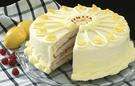
- Layer cakes, frequently baked in a springform pan and decorated
- Sheet cakes, simple, flat, rectangular cakes baked in sheet pans
..............................................................................................................................................................