- - - - - - - - - - - - - - - - - - - - - - - - - - - - - - - - - - - - - - - - - - - - - - - - - - - - - - - - - - - - - - - - - - - - - - - - - - - - - - - - - - - - - - - - - - - - - - - - - - - - - - - - - - -
Lammas, also known as Lughnasadh (loo-NA-sah), is that time in the Wheel of the Year when we're experiencing deepest, hottest summer. Traditionally, it's actually the end of summer, which began at Beltane (May Day) and peaked at Midsummer (the summer solstice).
In the Northern Hemisphere it's celebrated on August 1, while in the Southern Hemisphere it lands on February 1.
Themes of this sabbat include beginning to reap what we've sown, enjoying the bounty of the late summer's fruits, vegetables and grains, and also skilled crafts. The latter aspect comes via the Celtic sun God Lugh, who not only nurtured the crops, but was also recognized as a god of skilled trades.
Lammas is a great time to debut something new that you've been learning, or re-commit to something that you already practice, be it cooking, poetry, a musical instrument, carpentry, or anything else. You are reaping the rewards of either skills you've honed for many years, or the commitments you've made to newer ventures.
Following this, it is no accident that many Renaissance Faires begin shortly after Lammas. Traditionally this was a time of many townsfolk gathering to share and trade their skills and wares.
Lammas is the first of the three harvest festivals in the Wheel of the Year, the other two being Mabon (the autumn equinox) and Samhain (which falls on, but is not the exact same thing as, Halloween).
Grain receives much of the focus during Lammas. In many old Eureopean cultures this was the time that one could finally start making breads from the present year's grain harvest. This was to continue through the early fall and then must last through the winter, spring, and early summer of the following year. Obviously, grain and the ability to make bread was a very real symbol of life, and much thanks was given when it was abundant.
The grain had been tended with care, cut with the scythe, which was not just a farming tool, but also a more general symbol for this time of year. At Lammas we begin to cut what we no longer need from our lives. This is a time to harvest our own talents and desires, and let go of the things we've outgrown or could be holding us back.
For decorating altars, or offering prayers and spells,
the following are especially used on and around Lammas:
- Colors: Yellows and golds, earthy browns, orange, and touches of green.
- Incense: Sandalwood, rose, aloes.
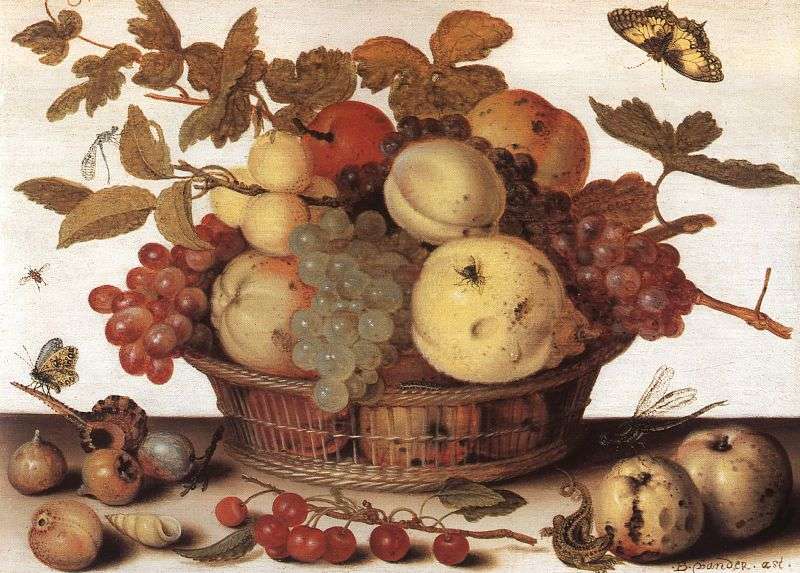
- Herbs and Flowers: Heather, Sloe, Blackberries, Grapes, Crab Apples, Pears, All Grains.
In the Celtic traditions, Lugh, being a sun god, begins to approach his death at Lammas. Though there is more heat and summer ahead, the light is starting to wane. By the next sabbat at the autumnal equinox, light will be overtaken by darkness again. Knowing this, Lammas is a time to deeply enjoy the outdoors and all of the fruits of the earth. Some people start to spend more time cooking once Lammas passes (after all, there's much to cook with!).
While the God is approaching his death, Goddess is at the height of her powers as Great Mother, or Harvest Mother. Thus, Lammas is a time to seek her loving guidance, as she wants to offer us the nourishing fruits of life and see us accept them graciously. The bounty of traditionally feminine, nurturing energy is very much plentiful and in full swing during this point in the year. Meditate on this if you are facing big decisions at this time, and of course, enjoy the remainder of the heat if you like that sort of thing!
Dylan Greenley has been studying and practicing pagan spirituality for several years, with an emphasis on Celtic traditions. He wants to disseminate solid information on the subject and hopes you have enjoyed this article and perhaps learned something new!
- - - - - - - - - - - - - - - - - - - - - - - - - - - - - - - - - - - - - - - - - - - - - - - - - - - - - - - - - - - - - - - - - - - - - - - - - - - - - - - - - - - - - - - - - - - - - - - - - - - - - - - - - -
This article is in honor of....
- Lammas: In some English-speaking countries in the Northern Hemisphere, August 1 is Lammas Day (Anglo-Saxon hlaf-mass, "loaf-mas"), the festival of the wheat harvest, and is the first harvest festival of the year. On this day it was customary to bring to church a loaf made from the new crop, which began to be harvested at Lammastide. The loaf was blessed, and in Anglo-Saxon England it might be employed afterwards to work magic: A book of Anglo-Saxon charms directed that the lammas bread be broken into four bits, which were to be placed at the four corners of the barn, to protect the garnered grain. In many parts of England, tenants were bound to present freshly harvested wheat to their landlords on or before the first day of August. In the Anglo-Saxon Chronicle, where it is referred to regularly, it is called "the feast of first fruits". The blessing of first fruits was performed annually in both the Eastern and Western Churches on the first or the sixth of August (the latter being the feast of the Transfiguration of Christ). see wikipedia first fruit
- - - - - - - - - - - - - - - - - - - - - - - - - - - - - - - - - - - - - - - - - - - - - - - - - - - - - - - - - - - - - - - - - - - - - - - - - - - - - - - - - - - - - - - - - - - - - - - - - - - - - - - - - -
Let's Learn: What is First Fruit?
First Fruits are a religious offering of the first agricultural produce of the harvest. In classical Greek, Roman, Hebrew and Christian religions, the first fruits were offered to the temple or church. First Fruits were often a primary source of income to maintain the religious leaders and the facility. Beginning in 1966 a unique "First Fruits" celebration brought the Ancient African harvest festivals that became the African American Holiday, Kwanzaa.
- - - - - - - - - - - - - - - - - - - - - - - - - - - - - - - - - - - - - - - - - - - - - - - - - - - - - - - - - - - - - - - - - - - - - - - - - - - - - - - - - - - - - - - - - - - - - - - - - - - - - - - - - -
Related Articles:
- - - - - - - - - - - - - - - - - - - - - - - - - - - - - - - - - - - - - - - - - - - - - - - - - - - - - - - - - - - - - - - - - - - - - - - - - - - - - - - - - - - - - - - - - - - - - - - - - - - - - - - - - - -