February is National Bird-Feeding Month. This celebratory month was created to educate the public on the wild bird feeding and watching hobby.
- - - - - - - - - - - - - - - - - - - - - - - - - - - - - - - - - - - - - - - - - - - - - - - - - - - - - - - - - - - - - - - - - - - - - - - - - - - - - - - - - - - - - - - - - - - - - - - - - - - - - - - - - -
Because of National Bird-Feeding Month
February has become the month most recognized with wild bird feeding promotions and activities. The month is an ideal time for promoting and enjoying the bird feeding hobby, which is home-based and nature-oriented. To help celebrate and promote National Bird-Feeding Month, a Guide to Better Bird Feeding was created. It includes several educational pamphlets on the best practices of bird feeding.
- - - - - - - - - - - - - - - - - - - - - - - - - - - - - - - - - - - - - - - - - - - - - - - - - - - - - - - - - - - - - - - - - - - - - - - - - - - - - - - - - - - - - - - - - - - - - - - - - - - - - - - - - -
History
On February 23, 1994, John Porter (R-IL) proclaimed February as National Bird-Feeding Month when he read a resolution into the Congressional Record. Below is the formal resolution that he read.
“Mr. Speaker, I would like to recognize February, one of the most difficult months in the United States for wild birds, as National Bird-Feeding Month. During this month, individuals are encouraged to provide food, water, and shelter to help wild birds survive. This assistance benefits the environment by supplementing wild bird's natural diet of weed seeds and insects. Currently, one third of the U.S. adult population feeds wild birds in their backyards.
In addition, Mr. Speaker, backyard bird feeding is an entertaining, educational, and inexpensive pastime enjoyed by children and adults. Bird feeding provides a needed break from today's frantic lifestyles. Adults enjoy the relaxation and peacefulness afforded by watching birds -- nature serves to relieve the stress and can get one's day going on a tranquil note.
Young children are naturally drawn to the activities involved in feeding wild birds, which can serve as excellent educational tools. Children can identify different species of birds with a field guide and can learn about the birds' feeding and living habits. These observations can then provide excellent research opportunities for school projects and reports.
Feeding wild birds in the backyard is an easy hobby to start and need not overtax the family budget. It can be as simple as mounting a single feeder outside a window and filling it with bird seed mix. For many people, the hobby progresses from there. They discover the relationship between the type and location of feeders, and the seeds offered in them, and the number and varieties of birds attracted. Parents can challenge an inquisitive child's mind as they explore together these factors in trying to encourage visits by their favorite birds.”
- - - - - - - - - - - - - - - - - - - - - - - - - - - - - - - - - - - - - - - - - - - - - - - - - - - - - - - - - - - - - - - - - - - - - - - - - - - - - - - - - - - - - - - - - - - - - - - - - - - - - - - - -
Past Themes
Each year, a new theme for National Bird-Feeding Month is selected, and promoted by the National Bird-Feeding Society. The theme for 2011 is "Most Wanted - America's Top Ten Backyard Birds" and features ten species from the east and west that are among the most popular to attract.
In 2010, the theme was “Hatching Out - An Introduction to the Wild Bird Feeding Hobby.” The goal of this theme was to promote best bird feeding practices for beginners and individuals who have been in the bird feeding hobby for decades.
- - - - - - - - - - - - - - - - - - - - - - - - - - - - - - - - - - - - - - - - - - - - - - - - - - - - - - - - - - - - - - - - - - - - - - - - - - - - - - - - - - - - - - - - - - - - - - - - - - - - - - - - -
How To Celebrate National Wild Bird Feeding Month
2) - Learn about the activity of feeding wild birds.
Bird feeding is typically thought of as an activity of birdwatchers, though not all birdwatchers condone the activity. People who feed wild birds often attempt to attract birds to suburban and domestic locations. This requires setting up a feeding station and supplying bird food. The food might include seeds, peanuts, bought food mixes, fat, kitchen scraps and suet. Additionally, a bird bath and grit, a sand-like substance, that birds store in their crops to help grind food as an aid to digestion, can be provided.
Feeding bread to the ducks and seagulls in the park is also a popular activity. resource link
3) - Learn about Bird Food & Feeding Stations
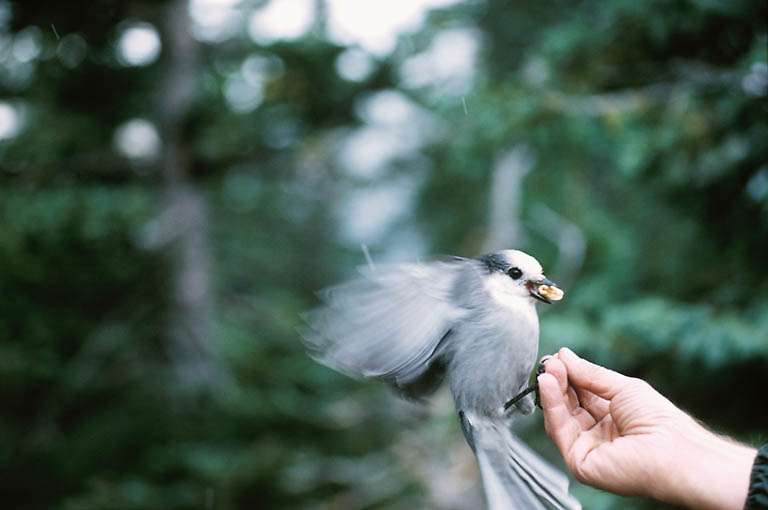
Certain foods tend to attract certain birds. • Finches love Niger thistle seed • Jays love corn • Hummingbirds love nectar • Mixed seed attracts many birds. Black oil sunflower seed is favored by many seed-eating species. Different feeders can be purchased specialized for different species.
Feeding stations should be located near natural cover. Many birds prefer not to be exposed. Therefore, putting a bird feeding station by a window will attract only especially gregarious birds (such as sparrows and starlings). While the viewer will want to have a clear line of sight to the feeding station, it is important for the station to be near shrubbery or a tree. If the station is too close to a tree or shrub, other animals (such as squirrels) may find access to the station easy. Locating feeders near low cover gives predators such as house cats a hiding place from which to launch an ambush.
After the station is established, it can take some weeks for birds to discover and start using it. This is particularly true if the feeding station is the first one in an area or (in cold-winter areas) if the station is being established in spring when natural sources of food are plentiful. Therefore, beginners should not completely fill a feeder at first. The food will get old and spoil if it is left uneaten for too long. This is particularly true of unshelled foods, such as thistle seed and suet. Once the birds begin taking food, the feeder should be kept full. Additionally, people feeding birds should be sure that there is a source of water nearby. A bird bath can attract as many birds as a feeding station.
Birds are messy eaters. If the feeding station is over dirt or a lawn, whole cereals and unshelled sunflower seeds will germinate beneath the station, while shelled nuts and degermed cereals will not. Food scattered on the ground beneath the feeding station may also attract rats and mice.
4) - Enjoy Doing a Fun Craft
5) - Go on a Nature Walk
Go on a nature walk and see how many bird feathers you can find. Try to figure out what type of bird the feather belongs to by comparing it to pictures in a bird book.
- - - - - - - - - - - - - - - - - - - - - - - - - - - - - - - - - - - - - - - - - - - - - - - - - - - - - - - - - - - - - - - - - - - - - - - - - - - - - - - - - - - - - - - - - - - - - - - - - - - - - - - -
See Also:
Other Bird Holidays
Adopt-a-Rescued-Bird Month: January
Buzzard's Day--March 15
- - - - - - - - - - - - - - - - - - - - - - - - - - - - - - - - - - - - - - - - - - - - - - - - - - - - - - - - - - - - - - - - - - - - - - - - - - - - - - - - - - - - - - - - - - - - - - - - - - - - - - - -