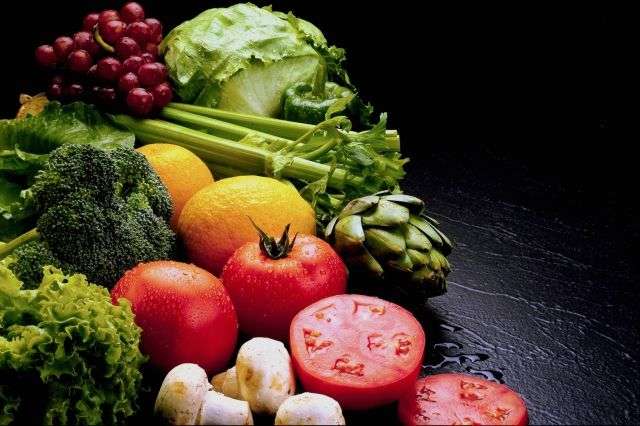
Seasonality of food refers to the times of year when a given type food is at its peak, either in terms of harvest or its flavour. This is usually the time when the item is the cheapest and the freshest on the market.
- - - - - - - - - - - - - - - - - - - - - - - - - - - - - - - - - - - - - - - - - - - - - - - - - - - - - - - - - - - - - - - - - - - - - - - - - - - - - - - - - - - - - - - - - - - - - - - - - - - - - - -
The food's peak time in terms of harvest usually
coincides with when its flavour is at its best. There are
some exceptions; an example being sweet potatoes
which are best eaten quite a while after harvest.
- - - - - - - - - - - - - - - - - - - - - - - - - - - - - - - - - - - - - - - - - - - - - - - - - - - - - - - - - - - - - - - - - - - - - - - - - - - - - - - - - - - - - - - - - - - - - - - - - - - - - - -
This page serves as a guide to the
seasonality of food. The list below is for
foods common in the Northern Hemisphere.
- - - - - - - - - - - - - - - - - - - - - - - - - - - - - - - - - - - - - - - - - - - - - - - - - - - - - - - - - - - - - - - - - - - - - - - - - - - - - - - - - - - - - - - - - - - - - - - - - - - - - - -
History
Seasonal food was practiced since ancient civilisations
as people ate what mother nature produced which
varied according to seasons.
In 8th century, however, the choice of what to eat in
every season became a conscious social event.
Cordoba Calendar, a historical record written in mid
10th century, provided unique detailed information about
the eating habits of Spain under the Muslim rule.
Typical winter meals were based on rich vegetables
such as Seakale beet, cauliflower, turnips, parsnips,
carrots, celery, coriander, peas, broad beans, lentils,
chickpeas, olives, hard wheat (burghol), couscous,
pasta, walnut, almonds, pistachio, and pine kerneis.
These were usually taken with meat based diet
included lamb, camel and trotters, while fruity desserts
consisted of dried figs, dates, raisins, and prunes,
accompanied with drinks from syrups violet, jasmine,
aloes, medicament spices, fruit pastilles and gums.
In contrast, summer diet consisted of green beans,
radish, lettuces, chicories, aubergine, carrots,
cucumber, gherkins, watercress, marrow, courgettes,
and rice. The meat accompanied these vegetables
consisted mainly of poultry, ostrich and beef products.
Fruity deserts included fruits such as lemon, lime quinces, nectarines, mulberry, cherries, plums, apricot, grapes, pomegranates, watermelon, pears, apple, and melon. Meanwhile, the drinks involved syrups and jams. Fruit pastels, lemon, rose, jasmine, ginger and fennel.
In Autumn, meals included cabbage, cauliflower, carrots, celery, gourd, wheat, barley, millet, turnips, parsnips, onions, acorns, pulses, and olive oil. Drinks incorporated aromatic herbs and flower distillations of essential oils.
In Spring, meals consisted of onions, gourd, spinach roquette salad, asparagus, lettuces, marrow, fennel, artichokes, fresh broad beans, lemons, cardoons, truffles, peas, wild artichokes, beetroot, basil, mint, sweet marjoram, saffron, green barley, pigeons, lamb and dairy products. Drinks involved lemon and mint syrup, distillation of orange blossom, rose and other herbs for winter.
There has been considerable controversy about how far people should be encouraged to eat seasonal food. In 2008, the chef Gordon Ramsay attracted media coverage when he stated that restaurants should be fined for serving non-seasonal food. In September and October 2008, Valentine Warner presented a programme for BBC Two, entitled What to Eat Now, persuading people to consume seasonal food.
- - - - - - - - - - - - - - - - - - - - - - - - - - - - - - - - - - - - - - - - - - - - - - - - - - - - - - - - - - - - - - - - - - - - - - - - - - - - - - - - - - - - - - - - - - - - - - - - - - - - - - -
Vegetables
• Artichoke
• Asparagus
• Bamboo shoot
• Carrots
• Cauliflower
• Celery
• Kale
• New potato
• Onion
• Parsley
• Radish
• Rhubarb
• Samphire or sea grass
• Spinach
• Watercress
- - - - - - - - - - - - - - - - - - - - - - - - - - - - - - - - - - - - - - - - - - - - - - - - - - - - - - - - - - - - - - - - - - - - - - - - - - - - - - - - - - - - - - - - - - - - - - - - - - - - - - -
Vegetables
• Eggplant
• Green Bean
• Baby Turnip
• Zucchini/Courgette
• Bell Pepper
• Samphire
• Basil
• Cannellini bean
• Trompettes de Mort
• Broad Bean
• Runner bean
• Swiss Chard
• Peas
• New potato
• Borlotti bean
• Sweetcorn cobs
• Chanterelle (mushrooms)
• Cucumber
• Okra
• Bitter melon
- - - - - - - - - - - - - - - - - - - - - - - - - - - - - - - - - - - - - - - - - - - - - - - - - - - - - - - - - - - - - - - - - - - - - - - - - - - - - - - - - - - - - - - - - - - - - - - - - - - - - - -
Vegetable
• Carrot
• Chestnut
• Pumpkin
• Sweet potato
• Lettuce
• Renkon
• Turnip
• Shiitake mushrooms (though they are not technically vegetables.)
Fruit
• Apple, Pear, Grape, Fig
Seafood
• Mackerel, Salmon, Oyster, Pacific saury
Game
• Big game, e.g. deer, elk, moose, etc.
Meat
• Lamb
- - - - - - - - - - - - - - - - - - - - - - - - - - - - - - - - - - - - - - - - - - - - - - - - - - - - - - - - - - - - - - - - - - - - - - - - - - - - - - - - - - - - - - - - - - - - - - - - - - - - - - -
Winter
Vegetables
• Carrot
• Daikon
• Chinese cabbage
• Swede (or Rutabaga)
• Celeriac
• Turnip
• Brussel Sprout
• Pumpkin
• Beetroot
• Parsnip
• Red Cabbage
• Leek
• Cabbage
• Shallot
- - - - - - - - - - - - - - - - - - - - - - - - - - - - - - - - - - - - - - - - - - - - - - - - - - - - - - - - - - - - - - - - - - - - - - - - - - - - - - - - - - - - - - - - - - - - - - - - - - - - - - -
- - - - - - - - - - - - - - - - - - - - - - - - - - - - - - - - - - - - - - - - - - - - - - - - - - - - - - - - - - - - - - - - - - - - - - - - - - - - - - - - - - - - - - - - - - - - - - - - - - - - - - -