- - - - - - - - - - - - - - - - - - - - - - - - - - - - - - - - - - - - - - - - - - - - - - - - - - - - - - - - - - - - - - - - - - - - - - - - - - - - - - - - - - - - - - - - - - - - - - - - - - - - - - - - - - -
Recipe:
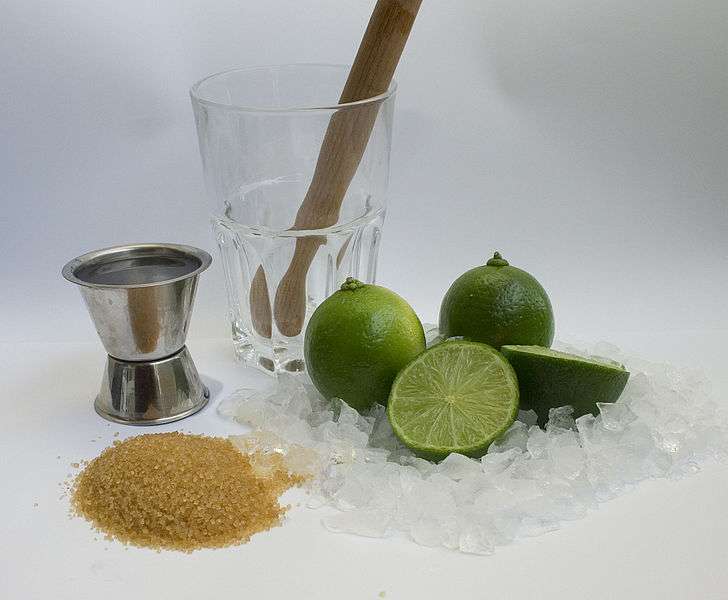
- 1 fl oz (4 parts) Lime juice
- 3/4 fl oz (3 part) Simple syrup
Preparation
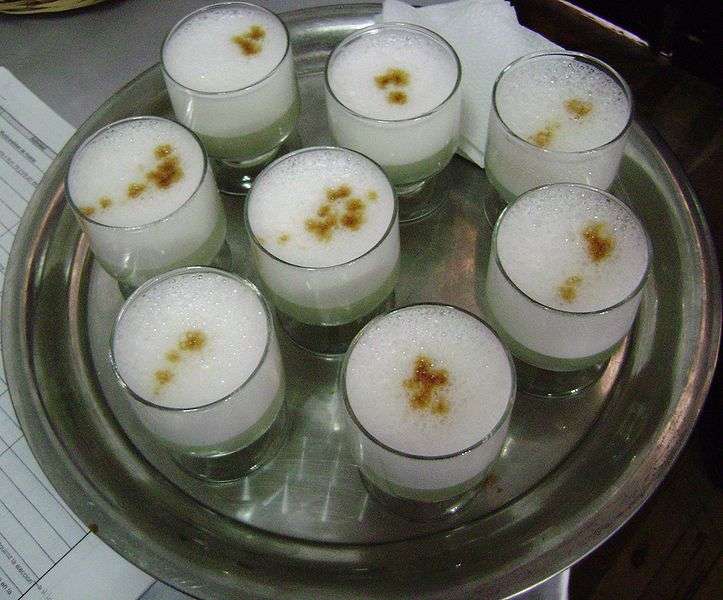
Shake hard or blend with ice and strain into glass. The bitters are an aromatic garnish topping the finished drink, put on top of pisco sour foam.
Serve: straight up without ice and in an old fashion glass.
- - - - - - - - - - - - - - - - - - - - - - - - - - - - - - - - - - - - - - - - - - - - - - - - - - - - - - - - - - - - - - - - - - - - - - - - - - - - - - - - - - - - - - - - - - - - - - - - - - - - - - - - - -
This article is in honor of....
- - - - - - - - - - - - - - - - - - - - - - - - - - - - - - - - - - - - - - - - - - - - - - - - - - - - - - - - - - - - - - - - - - - - - - - - - - - - - - - - - - - - - - - - - - - - - - - - - - - - - - - - - -
About
The cocktail originated in Peru, invented in the Peruvian capital of Lima by Victor Vaughn Morris in the early 1920s. An American bartender, Morris left his native United States in 1903 to work in Cerro de Pasco, a city in central Peru. In 1916, he inaugurated in Lima his saloon, Morris' Bar, which became a popular spot for the Peruvian Upper class and English-speaking foreigners. Coincidentally, the oldest mentions of the Pisco Sour so far found come from a 1921 magazine attributing Morris as the inventor and a 1924 advertisement from Morris' Bar published in a newspaper from the port of Valparaiso, Chile.
The Pisco Sour underwent several changes until Mario Bruiget, a Peruvian bartender working at Morris' Bar, created the modern Peruvian recipe of the cocktail in the latter part of the 1920s by adding Angostura bitters and egg whites to the mix. In Chile, historian Oreste Plath attributed the invention of the drink to Elliot Stubb, an English steward of a ship named Sunshine, whom allegedly mixed key lime, syrup, and ice cubes to create the cocktail in a bar in the port city of Iquique in 1872. Nonetheless, the original source cited by Plath attributed Stubb the invention of Whiskey Sour and not Pisco Sour.
Both Chile and Peru claim ownership of the Pisco Sour and denominate it their national drink. Peru considers that both Pisco and the Pisco Sour should be considered exclusively Peruvian. However, Chile contests this claim and, in turn, also claims ownership over both alcoholic beverages. Partially as a result of this controversy, the Pisco Sour holds international attention as a topic of popular culture.
- - - - - - - - - - - - - - - - - - - - - - - - - - - - - - - - - - - - - - - - - - - - - - - - - - - - - - - - - - - - - - - - - - - - - - - - - - - - - - - - - - - - - - - - - - - - - - - - - - - - - - - - - -
What is Pisco?
Pisco is a colorless or yellowish-to-amber colored grape brandy produced in winemaking regions of Chile and Peru.[Pisco was developed by Spanish settlers in the 16th century as an alternative to orujo, a pomace brandy that was being imported from Spain. The first vineyards were planted in the coastal valleys in the Viceroyalty of Peru, when vine plants arrived from the Canary Islands. Even though Spain imposed many restrictions on wine production and commerce, the wine-making industry developed rapidly, such as in the corregimientos of Ica. read more at wikipedia
- - - - - - - - - - - - - - - - - - - - - - - - - - - - - - - - - - - - - - - - - - - - - - - - - - - - - - - - - - - - - - - - - - - - - - - - - - - - - - - - - - - - - - - - - - - - - - - - - - - - - - - - - -
You may also want to research
External Links:
Go2Peru.com - Tourism site with information about Peruvian Pisco along with a recipe.
- - - - - - - - - - - - - - - - - - - - - - - - - - - - - - - - - - - - - - - - - - - - - - - - - - - - - - - - - - - - - - - - - - - - - - - - - - - - - - - - - - - - - - - - - - - - - - - - - - - - - - - - - -
More Articles:
- - - - - - - - - - - - - - - - - - - - - - - - - - - - - - - - - - - - - - - - - - - - - - - - - - - - - - - - - - - - - - - - - - - - - - - - - - - - - - - - - - - - - - - - - - - - - - - - - - - - - - - - - - -
- - - - - - - - - - - - - - - - - - - - - - - - - - - - - - - - - - - - - - - - - - - - - - - - - - - - - - - - - - - - - - - - - - - - - - - - - - - - - - - - - - - - - - - - - - - - - - - - - - - - - - - - - - -