

 |
 | ||||
|  | | ||
| ||||
 | ||||
|  | | ||
| ||||
 | ||||
|  | | ||
| ||||
 |  | |||||
|  |  | ||||
| |  | | |||
| | | ||||
| | |||||
| ||||||
| | |||||


Holiday Cookbooks
Religious Holidays



Gone-ta-pott.com
Gone-ta-pott.com
Home / Site Info / Terms of Use / Games / Horoscope / Zodiac / E- Greetings / Calendar Store / Thank You! / Hot Links /
| ||||
| | | ||
| ||||
 | ||||
| | | ||
| ||||
| ||||
| | | ||
| ||||

| ||||
| | | ||
| ||||
| ||||
| | | ||
| ||||
| ||||
| | | ||
| ||||
| ||||
| | | ||
| ||||
| ||||
| | | ||
| ||||











Calendar /
 | ||||
| | | ||
| ||||
Follow us:













































| ||||
| | | ||
| ||||
| ||||
| | | ||
| ||||
HOT LINKS
References / Resources
Credits / External Links
| ||||
|  | | ||
| ||||

More help with Your Research
| ||||
| | | ||
| ||||
Trending Topics


| ||||
| | | ||
| ||||
Would you like to learn more?
Check these out.

| ||||
| | | ||
| ||||

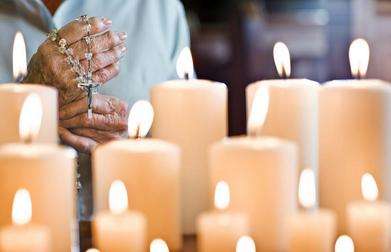
Many holidays are linked to faiths & religions. Christian holidays are defined as part of the liturgical year, the chief ones being Easter and Christmas. The Orthodox Christian & Western-Roman Catholic patronal feast day or 'name day' are celebrated in each place's patron saint's day, according to the Calendar of saints.
.....................................................................................................................................................................................................................................
Northern Hemisphere winter holidays - Main article: Christmas and holiday season
Winter in the Northern Hemisphere features many holidays that involve festivals and feasts. The Christmas and holiday season surrounds the Christmas and other holidays, and is celebrated by many religions and cultures. Usually, this period begins near the start of November and ends with New Year's Day. Holiday season is, somewhat, a commercial term that applies, in the US, to the period that begins with Thanksgiving and ends with New Year's Eve. Some Christian countries consider the end of the festive season to be after the feast of Epiphany.
......................................................................................................................................................................
Bahá'í holidays:
- Naw Ruz (Bahá'í New Year)
- 1st Day of Ridván
- 9th Day of Ridvan
- 12th Day of Ridvan
- Declaration of the Báb
- Ascension of Bahá'u'lláh
- Martyrdom of the Báb
- Birth of the Báb
- Birth of Bahá'u'lláh
.......................................................................................................................................................................
Buddhist holidays:
- Vesak
- Buddha's Birthday
- Bon Festival
- Blessed Rainy Day
......................................................................................................................................................................
Celtic, Norse, & Neopagan holidays
In the order of the Wheel of the Year:
- Samhain (Celtic): 31 October-1 November, Celtic New Year, first day of winter.
- Winternights (Norse): 29 October-2 November, Norse New Year.
- Yule (Norse): 21 December-22 December, winter solstice, Celtic mid-winter.
- Imbolc (Celtic): 1 February-2 February, Celtic first day of spring.
- Ostara/Easter (Norse): 21 March-22 March, vernal equinox, Celtic mid-spring.
- Beltane (Celtic): 30 April-1 May, Celtic first day of summer.
- Litha (Norse): 21 June-22 June, summer solstice, Celtic mid-summer.
- Lughnasadh (Celtic): 1 August-2 August, Celtic first day of autumn.
- Mabon/Harvest End (Norse): 21 September-22 September, autumnal equinox, Celtic mid-fall.
.......................................................................................................................................................................
Christian holidays:
- World Religion Day (3rd Sunday in January)
- Sunday School Teacher Appreciation Day: Always celebrated on October 19 each and every year!
- National Day of Prayer: It is held on the first Thursday in May.
- All Saints' Day (also called All Hallows & Hallowmas)
- Ascension Thursday (Ascension of Jesus into Heaven)
- Ash Wednesday (beginning of Lent)
- Assumption of Mary (Assumption of the Virgin Mary)
- Candlemas
- Childermas
- Christmas (Birth of Jesus)
- Saint Nicholas Day: December 6
- Corpus Christi (Sacrifice of Jesus)
- Easter (Resurrection of Jesus, end of Lent)
.......................................................................................................................................................................
Easter Triduum:
- Holy Thursday (Celebration of The Last Supper)
- Good Friday (Death of Jesus)
- Holy Saturday
- Easter Vigil
- Easter Monday (Monday following Easter Sunday, not part of the Easter Triduum)
- Lent (40 days of penance before Easter)
- Pentecost or Whitsun (Descent of the Holy Spirit upon the disciples of Jesus)
- Shrove Tuesday or Mardi Gras (last day of Carnival, last day before Ash Wednesday)
- Winter Lent
- Watch Night
The Catholic patronal feast day or 'name day' are celebrated in each place's patron saint's day, according to the Calendar of saints.
.......................................................................................................................................................................
Hindu holidays:
- Akshaya Tritiya
- Baisakhi
- Raksha Bandhan
- Dasara
Diwali
- Diwali Amvasaya (Laxmi Puja)
- Diwali (day 2)
- Bhaubeej
- Durga Puja
- Ekadasi
- Ganesh Chaturthi
- Gokul Ashtami
- Gudhi Padwa
- Guru Purnima
- Karthikai deepam
- Krishna Janmaashtami
- Mahashivratri
- Mahalakshmi vrata
- Bhogi
- Makara Sankranti
- Kanumu
- Navratri
- Onam
- Pongal
- Rama-Lilas
- Ram Navami
- Vaikunta Ekadasi
- Vijayadashami
- Ugadi
.......................................................................................................................................................................
Jewish holidays:
- Hanukkah (also: Chanukah; the Festival of Lights)
- Passover (Deliverance of Jews from slavery in Egypt)
- Purim (Deliverance of Jews in Persia from Haman)
- Rosh Hashanah (New Year)
- Shavuot (Festival of Weeks; Harvest Festival)
- Sukkot (The Feast of Tabernacles)
- Tisha B'Av (Day commemorating the destruction of the First and Second Temples)
- Tu B'shvat (New year of the trees)
- Yom Kippur (Day of Atonement)
- Simchat Torah (Completion of the Sefer Torah)
- Shemini Atzeret (The beginning of the rainy season in Israel, sometimes confused as being the 8th day of Sukkot)
- Yamim Hanora'im (Ten days of repentance from Rosh Hashanah to Yom Kippur)
- Shabbat (The day of rest, the seventh day of the week, and the holiest day of the week)
.....................................................................................................................................................................
Muslim holidays:
- Aashurah tenth day of Muharram. Muharram is the first month of the lunar year.
- Eid (feast): date determined by the lunar calendar and observation of the moon:
• Eid ul-Fitr on the first day of Shawwaal. It marks the end of Ramadan, the fasting month. Part of honoring this occasion is "zakaat ul-fitr" (giving alms to the needy on the day of Eid ul-Fitr).
• Eid ul-Adha on the tenth day of Thoo l-Hijjah, the twelfth and final month of the lunar year.
- Mawlid Al Rasul - Celebration of Prophet Muhammad's birth
- Nisfu Shaaban
- Nuzul Al Qur'an - First revelation of Quran
- Al-Isra' wa l-Mi'raj - Prophet Muhammad's ascension to heaven.
- Youm Arafat - Eve of Eid ul-Adha
.....................................................................................................................................................................
You may also want to research:
- Amartithi
- Apostles' Fast
- Ásatrú holidays
- Assumption of Mary
- Buhe
- Church Fall Festival
- Crucession
- Dydd Santes Dwynwen
- Earth Day Sunday - Earth Day Sunday is a semi-religious holiday that some churches in the United States celebrate on the Sunday before Earth Day. The day is to raise awareness of the issue of the environment. Earth Day Sunday is also known as Earth Sunday.
- Easter Friday
- Easter Monday
- Easter Saturday
- Evolution Sunday
- Feast of the Holy Sovereigns
- Holy Wednesday
- List of Sindhi festivals
- Meskel
- Muslim holidays
- Nativity Fast
- Palm Sunday
- Racial Justice Sunday
- Royal Hours
- Ryukyan festivals and observances
- Satanic holidays
- Scientology holidays
- Silence Day
- Store Bededag
- Trinity Sunday
- Virgen de los Angeles
- Yukka Nu Hii
- Zartosht No-Diso
- - - - - - - - - - - - - - - - - - - - - - - - - - - - - - - - - - - - - - - - - - - - - - - - - - - -
- You may also be interested in:
- - - - - - - - - - - - - - - - - - - - - - - - - - - - - - - - - - - - - - - - - - - - - - - - - - - -
Opposition
- Jehovah's Witnesses do not celebrate certain holidays, such as Christmas, Halloween, and Easter, because they believe these holidays are pagan.
Jehovah's Witnesses annually observe.........................
"The Passover". In Islam, the largest holidays are Eid ul-Fitr (immediately after Ramadan) and Eid al-Adha (at the end of the Hajj). Hindus, Jains and Sikhs observe several holidays, one of the largest being Diwali (Festival of Light). Japanese holidays contain references to several different faiths and beliefs. Celtic, Norse, and Neopagan holidays follow the order of the Wheel of the Year. Some are closely linked to Swedish festivities. The Bahá'í Faith observes holidays as defined by the Bahá'í calendar. Jews have two holiday seasons: the Spring Feasts of Pesach (Passover) and Shavuot (Weeks, called Pentecost in Greek); and the Fall Feasts of Rosh Hashanah (Head of the Year), Yom Kippur (Day of Atonement), Sukkot (Tabernacles), and Shemini Atzeret (Eighth Day of Assembly).
|
► Prayer
► Giving Thanks
 | ||||
|  | | ||
| ||||
Send Free Greeting

Monthly Holidays
Food Holidays
Calendar Related
Popular Holidays
Fun Pages!
How To Articles
Party Articles
Party Games
Party Drinks
Food Categories

Related Navigation:
| ||||
| | | ||
| ||||