Traditional Easter foods vary by geological location
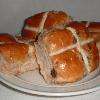
English Speaking World: "Some families have a traditional Sunday roast, often of either roast lamb or ham. Easter breads such as Simnel cake, a fruit cake with eleven marzipan balls representing the eleven faithful apostles, or nut breads such as potica are traditionally served. Hot cross buns, spiced buns with a cross on top, are traditionally associated with Good Friday, but today are often eaten well before and after." hippy
The Roast Lamb Dinner: About.com tell us that "The roast lamb dinner that many eat on Easter Sunday goes back earlier than Easter to the first Passover of the Jewish people." "The sacrificial lamb was roasted and eaten, together with unleavened bread and bitter herbs in hopes that the angel of God would pass over their homes and bring no harm." "As Hebrews converted to Christianity, they naturally brought along their traditions with them." "The Christians often refer to Jesus as The Lamb of God. Thus, the traditions merged."
In the British Overseas Territory of Bermuda, the most notable foods of the Easter celebration is Hot cross buns and Easter eggs, fish cakes are traditionally eaten in Bermuda at this time as well."
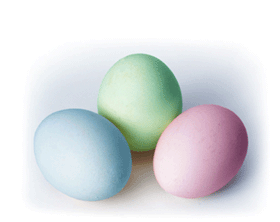
Hard Boiled Eggs: the most traditional food for many countries as a symbol of Easter. And yes the eggs have to be dyed every color we can come up with too. Many American families boil up so many eggs you can bet left over eggs will be eaten all week long. In fact the whole world will be eating left over eggs for days. Deviled eggs will be on the table in every home the day after Easter Sunday as well. hahaha!
I'm sure this holiday was invented to help get rid of all the left over hard boiled eggs from Easter. National Egg Salad week is always the week right after Easter Sunday.
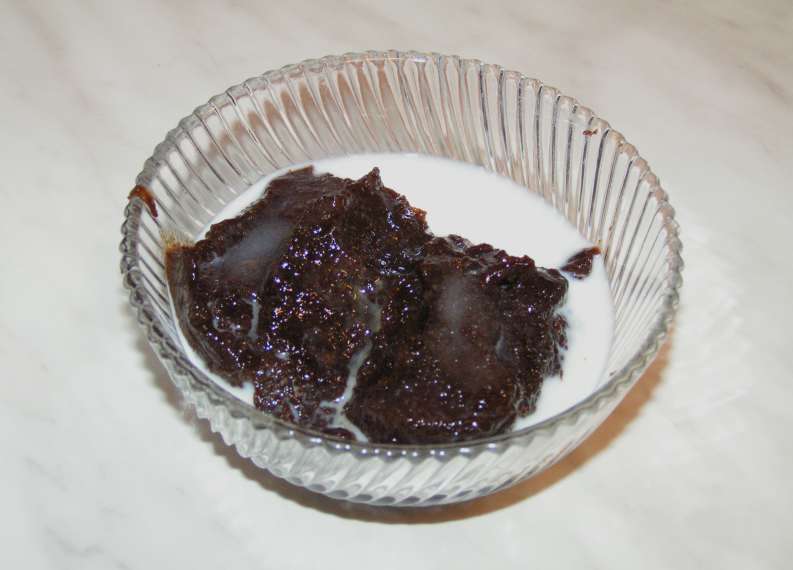
In Finland, Sweden and Denmark: For lunch/dinner on Holy Saturday, families traditionally feast on a smörgåsbord of herring, salmon, potatoes, eggs and other kinds of food. In Finland, the Lutheran majority enjoys mämmi as another traditional Easter treat, while the Orthodox minority's traditions include eating pasha (also spelled paskha) instead.
In Croatia and Slovenia a basket of food is prepared and covered with a handmade cloth, and brought to the church to be blessed. A typical Easter basket includes ham, horseradish, bread, colored eggs, and a type of nut cake called "potica".
The butter lamb (Baranek wielkanocny) is a traditional addition to the Easter Meal for many Polish Catholics. Butter is shaped into a lamb either by hand or in a lamb-shaped mould.
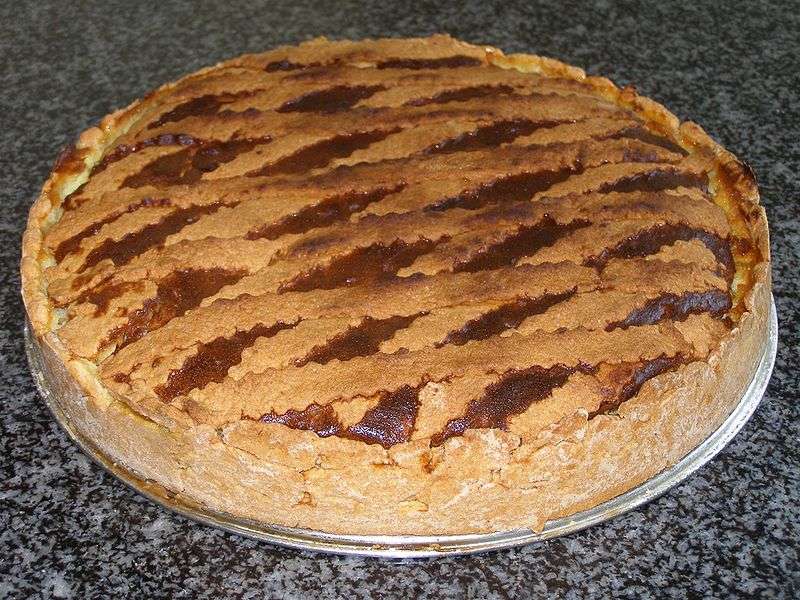
Neapolitan cuisine has ancient historical roots that date back to the Greco-Roman period, which was enriched over the centuries by the influence of the different cultures that controlled Naples and its kingdoms, such as that of Spain and France. -The main Easter dishes are the casatiello or tortano, a salty pie made with bread dough stuffed with various types of salami and cheese, also used the day after Easter for outdoor lunches. Typical of Easter lunches and dinners is the fellata, a banquet of salami and capocollo and salty ricotta. Typical dishes are also lamb or goat baked with potatoes and peas. Easter cake is the pastiera.
Simnel cake is a light fruit cake, similar to a Christmas cake, covered in marzipan, and eaten during Lent or at Easter in Great Britain, Ireland and some other countries. Simnel cakes have been known since mediaeval times, and were originally a Mothering Sunday tradition, when young girls in service would make one to be taken home to their mothers on their day off. BBC recipe
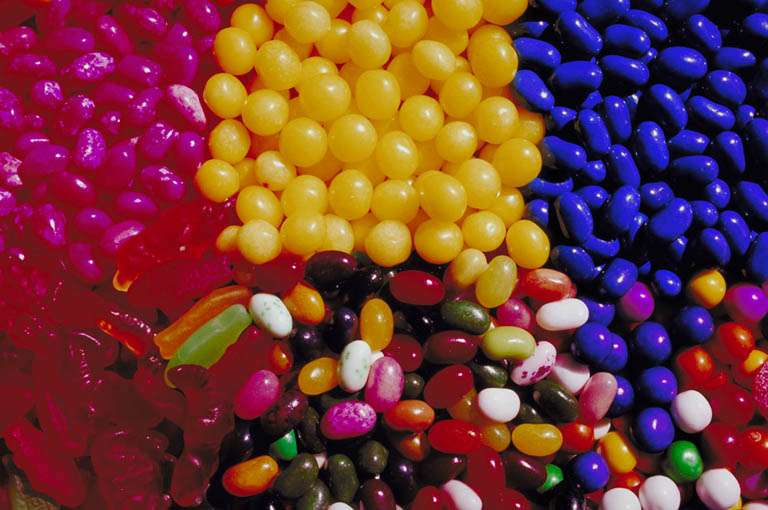
Jelly Beans became an Easter candy, presumably from their resemblance to Easter eggs. Their egg-like shape was then associated with the Easter Bunny, who gave out eggs on Easter. Jelly beans are a type of confectionery that comes in many different (primarily fruit) flavors. They are small (the size of a red kidney bean or smaller) and generally have a hard candy shell and gummy interior. The confection is primarily made of sugar.
Nordie Countries: For lunch/dinner on Holy Saturday, families traditionally feast on a smörgåsbord of herring, salmon, potatoes, eggs and other kinds of food. In Finland, the Lutheran majority enjoys mämmi as another traditional Easter treat, while the Orthodox minority's traditions include eating pasha (also spelled paskha) instead.
Paskha is a traditional Easter dish made from tvorog (farmer's cheese, cottage cheese, etc.), which is white, symbolizing the purity of Christ, the Paschal Lamb, and the joy of the Resurrection.
Peeps are marshmallow candies, sold in the US and Canada, that are shaped into chicks, bunnies, and other animals. There are also different shapes used for various holidays. Peeps are used primarily to fill Easter baskets, though recent ad campaigns tout the candy as "Peeps - Always in Season". They are made from marshmallow, sugar, gelatin, and carnauba wax.
Penia is a sweet bread that originated in rural Italy and is made during the Easter holiday. Ingredients include sugar, butter, eggs, anise seeds and lemons.
Pinca (also sirnica) is a traditional Dalmatian and Istrian Easter cake. It symbolizes the end of Lent in that it contains many eggs. Together with Easter eggs, pinca has remained the centrepiece of the family Easter breakfast. In urban areas it is increasingly the only item taken to Easter Mass for blessing, and is often given to guests as a symbol of good wishes. It can also be found in other areas in western Croatia, as well as in the Slovenian Littoral. It has a form of a sweet bread loaf with a sign of cross on the upper side, which is carved with knife before baking.
Tsoureki (Greek τσουρέκι), çörek (Turkish), panarët (Arbërisht), choreg (Armenian չորեկ), or çörək (Azerbaijani). are a sweet bread in Albania, Bosnia, Azerbaijani, Greek, Cypriot, Bulgarian cuisine, Arbëresh cuisine, Turkish, and Armenian cuisine. Rich brioche-like breads (often braided) are known by various different Greek names that represent three major holidays for Greeks: Easter, Christmas and New Year's. There are many local varieties of these festive breads, based around the use of milk (instead of water) for kneading the flour, eggs, butter, yeast, and a flavoring agent which is usually either mahleb or Chian mastic. A good tsoureki should be soft, moist and fluffy, yet stringy and chewy. If anything, it should be slightly underbaked rather than overbaked.